Knowing when to invest in window replacement can make a significant difference in your home’s comfort, energy efficiency, and overall value. Windows play a vital role beyond aesthetics; they help regulate indoor temperature, reduce outside noise, and protect your home from weather elements. Over time, even well-installed windows can deteriorate due to age, weather exposure, and regular use. Aging or inefficient windows are a common source of energy loss in homes, which can lead to higher utility bills and reduced comfort. Recognizing early warning signs allows homeowners to act before minor issues turn into costly problems.
Why You Shouldn’t Ignore Early Warning Signs
Many window-related problems develop gradually. Drafts, condensation, or difficulty operating windows may seem minor at first, but they often indicate underlying inefficiencies. Ignoring these signs can result in increased energy costs, moisture damage, and reduced home security. Understanding the key indicators of window failure helps homeowners take proactive steps instead of waiting for major repairs or emergency replacements.
Condensation Between Window Panes
Modern windows typically feature double- or triple-pane glass with insulating gas sealed between the panes. When condensation appears between the glass layers, it usually means the seal has failed. This reduces insulation performance and blocks visibility. While light condensation on the interior surface can be normal in certain conditions, moisture trapped between panes is not. In some cases, glass replacement may be an option if the window frame is still in good condition; however, once the seal fails in insulated glass units, repairs are often short-term. As a result, window or glass replacement is usually the most reliable long-term solution for restoring energy efficiency and clarity.
Difficulty Opening, Closing, or Locking Windows
Windows should operate smoothly and lock securely. If you struggle to open, close, or lock them, warped frames, damaged tracks, or corroded hardware may be to blame. These issues not only affect convenience but also compromise home security and safety, especially during emergencies when quick exits are necessary. New windows are designed for easy operation, improved safety, and long-term durability.
Increased Outside Noise
Excessive outside noise entering your home can indicate failing window insulation. Older single-pane windows or units with worn seals are poor at blocking sound. If traffic, neighbors, or weather noise has become more noticeable, upgrading to modern energy-efficient windows with improved glass technology can significantly reduce noise and enhance indoor comfort, particularly in busy or urban areas.
Visible Damage or Deterioration
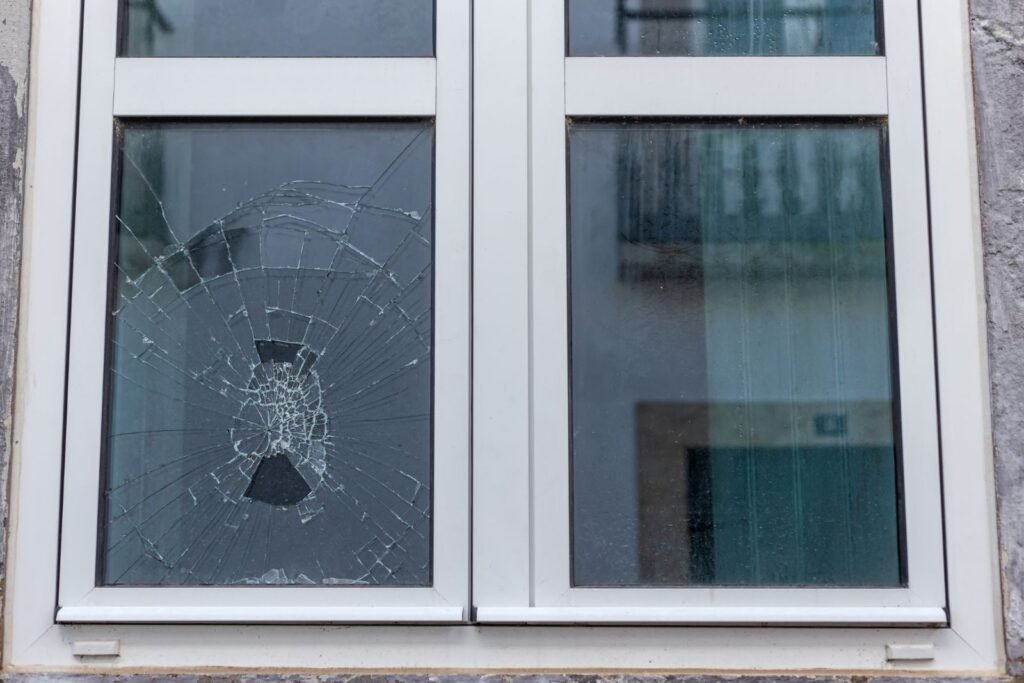
Cracked glass, rotting wood frames, rusted aluminum, or peeling paint are clear signs of window deterioration. Wood frames are especially vulnerable to moisture damage, which can spread to surrounding walls if left untreated. While minor repairs may offer temporary relief, visible structural damage often signals that replacement is the safer and more cost-effective option.
Improving Home Value and Energy Efficiency
Window replacement is not just about fixing problems; it’s a smart investment in your home’s future. New windows enhance curb appeal, boost resale value, and attract energy-conscious buyers. They also meet modern building standards, improve insulation, and increase overall durability. Whether you plan to stay in your home long-term or sell in the future, replacing outdated windows delivers both immediate comfort and long-term value.
Bringing It All Together
Windows are essential for maintaining energy efficiency, security, and comfort in your home. Drafts, condensation between panes, operational issues, increased noise, and visible damage are all signs that replacement may be necessary. Addressing these issues at the right time helps prevent higher energy bills, structural damage, and ongoing maintenance costs. By recognizing the warning signs and understanding the benefits, homeowners can make informed decisions that balance cost, performance, and long-term value.
Frequently Asked Questions
1. How long do residential windows typically last?
Most windows last between 15 and 30 years, depending on materials, climate, and maintenance.
2. Are energy-efficient windows worth the investment?
Yes, they help reduce energy loss, lower utility bills, and improve indoor comfort.
3. Can I replace only a few windows instead of all of them?
Yes, partial replacement is possible, though replacing all windows at once often provides better overall efficiency.
4. Do drafts always mean I need new windows?
Not always, but persistent drafts often indicate failing seals or frames that may require replacement.
5. What is the best time of year for window replacement?
Spring and fall are popular due to mild weather, but installations can be done year-round.