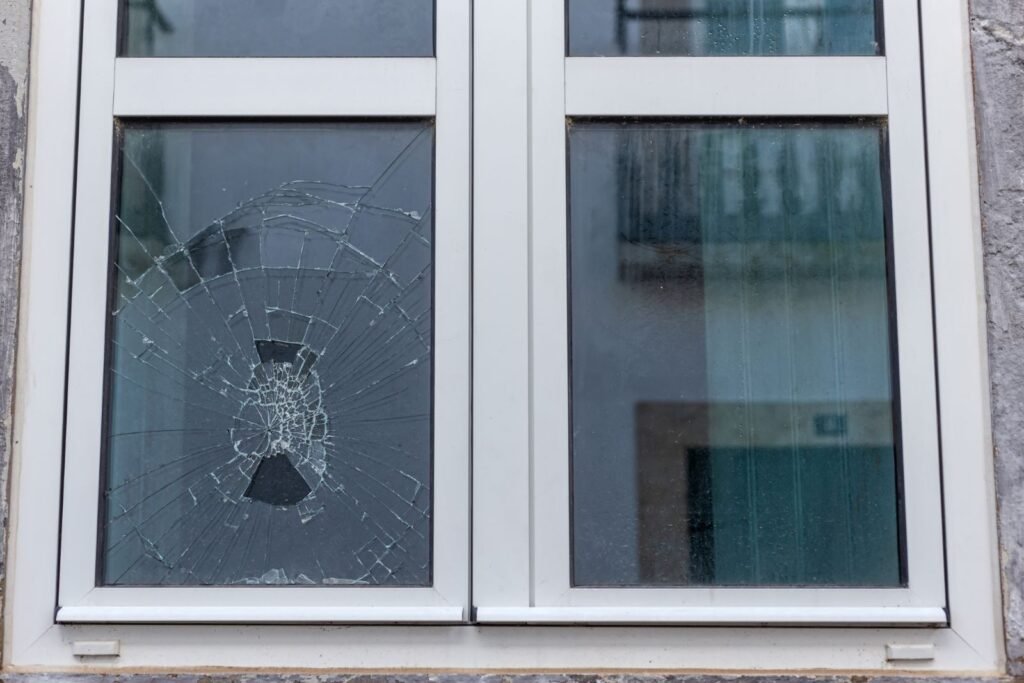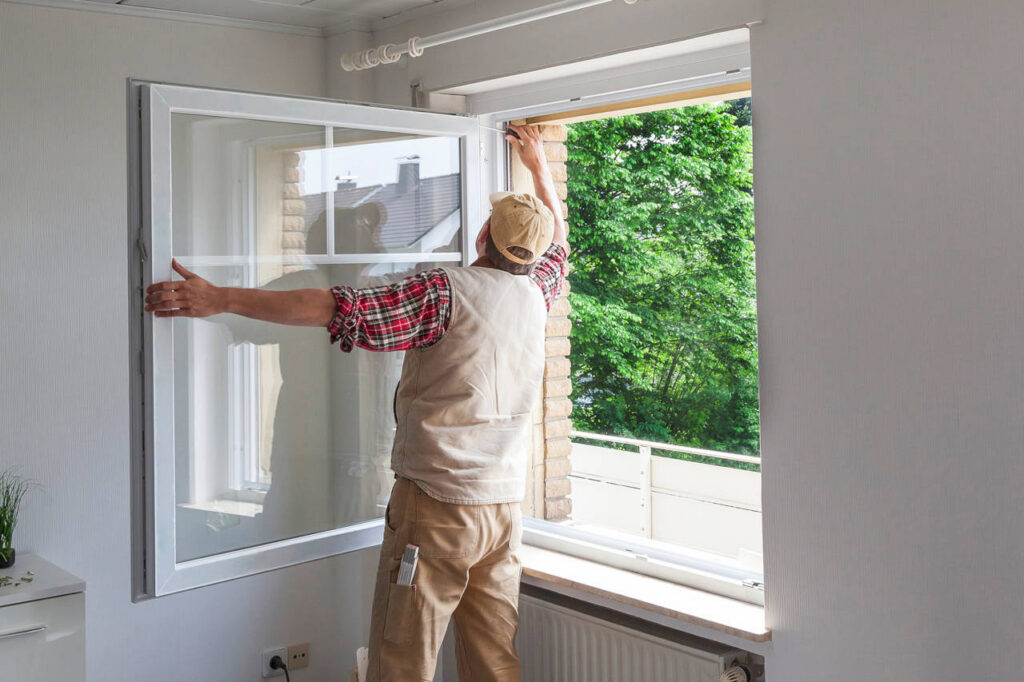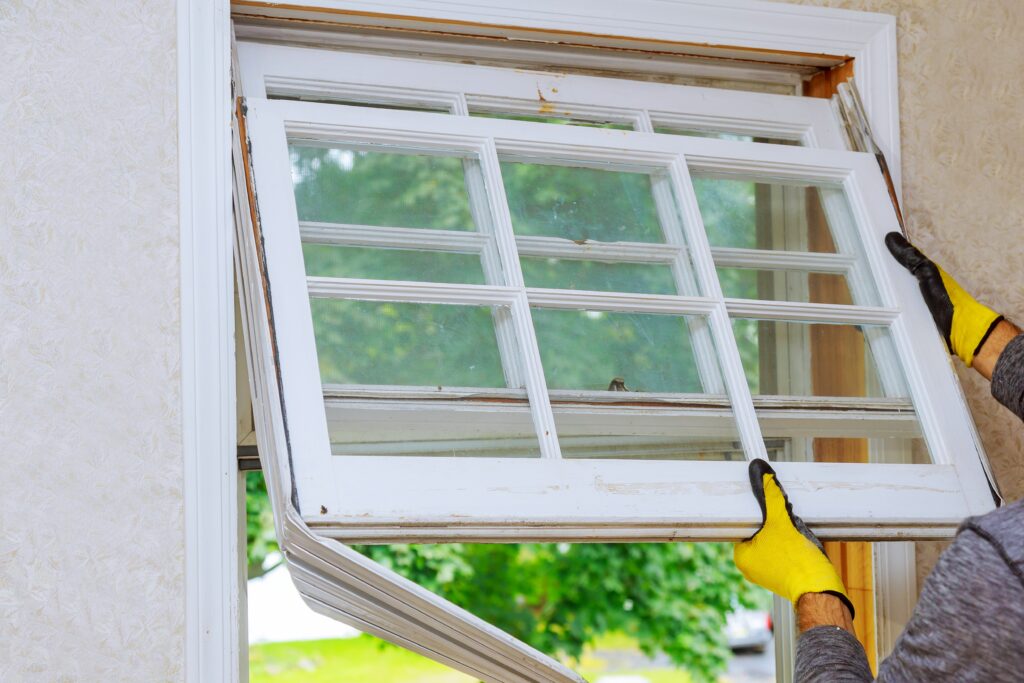
Windows play an important role in a home by providing natural light, ventilation, outdoor views, and protection from changing weather conditions. However, older or damaged windows can develop drafts, leaks, condensation, and operating problems, which is why many homeowners begin researching the window installation cost in 2026 when they are considering new windows. At Lewis Windows & Doors, our goal is to help homeowners improve their properties with professionally installed windows that provide comfort, appearance, energy efficiency, and long-term performance. We provide window solutions designed around different home styles, budgets, and installation requirements.
In 2026, the cost of a window installation can vary depending on the window material, style, size, glass type, number of windows, and installation complexity. A typical window replacement project may cost around $3,436 to $11,839, with an average project cost of approximately $7,348. Individual windows commonly range from about $300 to $2,500, depending on the selected window and project requirements.
What Makes Window Installation Costs Vary?
The final cost of window installation is not fixed because every home and window project has different requirements. A simple replacement of one standard window can cost considerably less than replacing multiple large windows or installing custom units.
These include:
- The number of windows being installed
- Window size and style
- Frame material
- Glass type and energy efficiency
- Installation method
- Labor and accessibility
- Existing frame or structural condition
Window installation involves more than simply placing a new window into an opening. Professionals may need to remove the existing unit, prepare the opening, install the new window, seal it properly, and complete the surrounding trim. More complicated projects can require additional labor or structural repairs.
That is why understanding window installation costs in 2026 is important before starting a project. Knowing the main pricing factors can help homeowners compare options, establish a realistic budget, and avoid unexpected expenses.
Window Installation Vs. Window Replacement
Window installation and window replacement are related services, but they are not exactly the same. Window installation involves fitting a new window into a prepared opening, while window replacement involves removing an existing window and installing a new one in its place. Replacement is often considered when old windows have drafts, damaged frames, broken seals, condensation, or operating problems. The final cost for either service depends on the window style, size, frame material, glass options, and condition of the installation area.
The 7 Key Factors That Decide Window Installation Cost
The average window installation price provides a useful starting point, but the actual cost depends on several conditions. Each home has different window requirements, so pricing can vary significantly from one project to another.
Window Size And Quantity
The size and number of windows are two of the most important factors affecting the total project cost. Larger windows generally require more materials and can take more time to install.
Small Windows: Approximately $100 – $400 per window
Medium Windows: Approximately $200 – $800 per window
Large Windows: Approximately $700 – $3,000 per window
Replacing several windows at the same time can also affect the overall project price. Larger whole-home projects may have different per-window costs compared with installing a single window.
Window Style
The style of window you choose can significantly affect the final investment. Standard styles are generally easier to install, while custom or architectural windows may require additional materials and labor.
Single-Hung Windows: Approximately $200 – $600 per window
Double-Hung Windows: Approximately $325 – $1,275 per window
Casement Windows: Approximately $260 – $950 per window
Bay Windows: Can cost substantially more because of their size and installation complexity
Homeowners researching replacement windows should compare window styles based on appearance, functionality, ventilation, maintenance, and budget.
Frame Material
The frame material also affects both the price and long-term performance of a window. Different materials offer different levels of durability, maintenance, insulation, and appearance.
Vinyl: Generally an affordable, low-maintenance option
Aluminum: Lightweight and durable with a modern appearance
Wood: Traditional appearance but requires more maintenance
Fiberglass: Durable and energy-efficient with a longer lifespan
Choosing the right frame depends on your home’s design, climate, maintenance preferences, and budget.
Glass Type And Energy Efficiency
The type of glass used in a window can affect both installation cost and energy performance. Double-pane and energy-efficient windows typically cost more than basic single-pane options but may provide better insulation.
Standard Glass: Lower initial cost
Double-Pane Glass: Better insulation and improved comfort
Low-E Glass: Designed to improve energy efficiency
Impact Glass: Provides additional protection in areas where impact-resistant windows are required
Double-pane window installation can cost approximately $300–$2,100 per window, with an average around $1,000. Energy-efficient window installation can range from approximately $325–$2,000 per window, depending on size and type.
Installation Method
The method used to install the new window can also affect the final price. Retrofit installation uses the existing frame when it remains structurally sound, while full-frame replacement removes more of the existing window assembly.
Retrofit Installation: Approximately $100 – $300 per window
Full-Frame Replacement: Approximately $180 – $1,500 per window
A full-frame replacement may be necessary when the existing frame is damaged, rotted, or structurally compromised.
Labor And Accessibility
Labor is another important part of the overall window installation cost. Standard ground-floor installations are generally easier than projects involving upper floors, difficult access, custom sizes, or structural modifications.
Window replacement labor typically ranges from about $100–$300 per window, while more complicated projects can reach $600 or more per window. Experienced window installation contractors can evaluate the property and determine what installation requirements may affect the final cost.
Additional Repairs And Upgrades
Sometimes the window itself is not the only part of the project that needs attention. Damaged framing, weatherproofing issues, old trim, or structural problems may need to be addressed before the new window can be installed correctly.
Energy-efficient upgrades, tinting, laminated glass, weatherproofing, and other improvements can also increase the initial investment. Planning for these potential additions can help homeowners avoid unexpected costs during installation.
Average Window Installation Cost By Window Type
| Window Type | Average Cost | What’s Typically Included |
| Vinyl Window Replacement | $300 – $1,200 | Vinyl window, removal, basic installation |
| Double-Pane Window | $300 – $2,100 | Double-pane glass, frame, removal, installation |
| Single-Hung Window | $200 – $600 | Window unit, removal, installation |
| Double-Hung Window | $325 – $1,275 | Window unit, removal, installation |
| Casement Window | $260 – $950 | Casement window, hardware, removal, installation |
Note: Actual window installation costs vary depending on window size, style, frame material, glass type, labor, accessibility, and installation complexity. Custom windows and structural repairs can increase the final project cost.
Key Signs Your Windows Need An Upgrade
Old windows can develop several problems that affect comfort, energy efficiency, and the overall appearance of a home. Drafts around the frame are one of the most common signs that a window may no longer provide an effective seal. Condensation between glass panes can also indicate a failed seal, while difficulty opening or closing a window may point to worn hardware or frame problems.
Homeowners may also notice water leaks around the window, damaged frames, deteriorating seals, or increasing outdoor noise. If several windows are experiencing similar problems at the same time, replacing them may be more practical than repeatedly repairing individual components.
Upgrading older windows can also provide an opportunity to improve insulation, reduce drafts, and update the appearance of the property.
How Can New Windows Improve Your Home?
Replacing old windows can provide several benefits beyond improving the appearance of a property. Modern window designs can offer improved insulation, better weather protection, easier operation, and enhanced curb appeal.
New windows can also help reduce unwanted drafts and make rooms more comfortable throughout the year. Energy-efficient glass and properly sealed frames may help reduce heat transfer between indoor and outdoor spaces.
For homeowners planning to sell their property, updated windows can also contribute to a more modern appearance and may make the home more attractive to potential buyers.
Window Replacement Planning Checklist
Still unsure whether replacing your windows is the right investment? Consider the following questions:
- Are your windows difficult to open or close?
- Do you feel drafts around the window frames?
- Is condensation appearing between glass panes?
- Are your window frames damaged or deteriorating?
- Are you experiencing water leaks around the windows?
- Do you want to improve energy efficiency or home appearance?
If you answered “Yes” to several questions, professional window installation may be worth considering. A qualified window professional can inspect the existing units and help determine whether repair or replacement is the better option.
Why Professional Window Installation Matters
Window installation requires accurate measurements, proper sealing, secure fitting, and attention to weatherproofing. Incorrect installation can lead to drafts, water intrusion, poor operation, and reduced energy performance. That is why choosing a professional window installation company in Richmond, TX is important for achieving reliable and long-lasting results.
At Lewis Windows & Doors, we help homeowners select suitable window styles, materials, and installation options based on their property’s needs. Professional installers can properly measure the opening, prepare the installation area, secure the window, and ensure appropriate sealing around the unit.
This is especially important for larger, custom, or difficult-to-access windows. Proper installation helps protect the surrounding structure while allowing the new windows to perform as intended.
Conclusion
The cost of window installation in 2026 depends on several factors, including window size, quantity, style, frame material, glass type, installation method, and labor requirements. While the average project costs about $7,348, actual prices can range from approximately $3,436 to $11,839, with individual windows commonly costing $300 to $2,500 depending on project specifications.
At Lewis Windows & Doors, we help homeowners improve their properties with window solutions designed around comfort, appearance, performance, and long-term value. From selecting the right window to completing professional installation, our goal is to provide dependable results tailored to each home’s needs.
FAQs
1. How much does window installation cost in 2026?
A typical window replacement project costs about $3,436–$11,839, with an average of approximately $7,348.
2. What factors affect window installation costs?
Window size, style, frame material, glass type, quantity, labor, and installation complexity can affect the final cost.
3. How much does one window cost to install?
Individual windows commonly cost about $300–$2,500, depending on the window type and installation requirements.
4. Is full-frame window replacement more expensive?
Yes. Full-frame replacement generally costs more because more of the existing window assembly is removed and replaced.
5. Should I hire a professional for window installation?
Yes. Professional installation helps ensure proper measurements, secure fitting, sealing, and weatherproofing.