Whether your windows are fogged up, drafty, or outdated, a vinyl window replacement is a cost-effective way to restore comfort, improve energy efficiency, and enhance the appearance of your home. Vinyl windows are durable, low-maintenance, and available in a variety of styles and colors.
At Lewis Windows & Doors, our licensed and experienced contractors provide professional vinyl window installation, repair, and replacement services to ensure a flawless fit, long-lasting performance, and energy savings. This guide also covers the step-by-step process for vinyl window replacement, from measuring to trim installation, so homeowners can understand what to expect.
Step-by-Step Vinyl Window Replacement Process
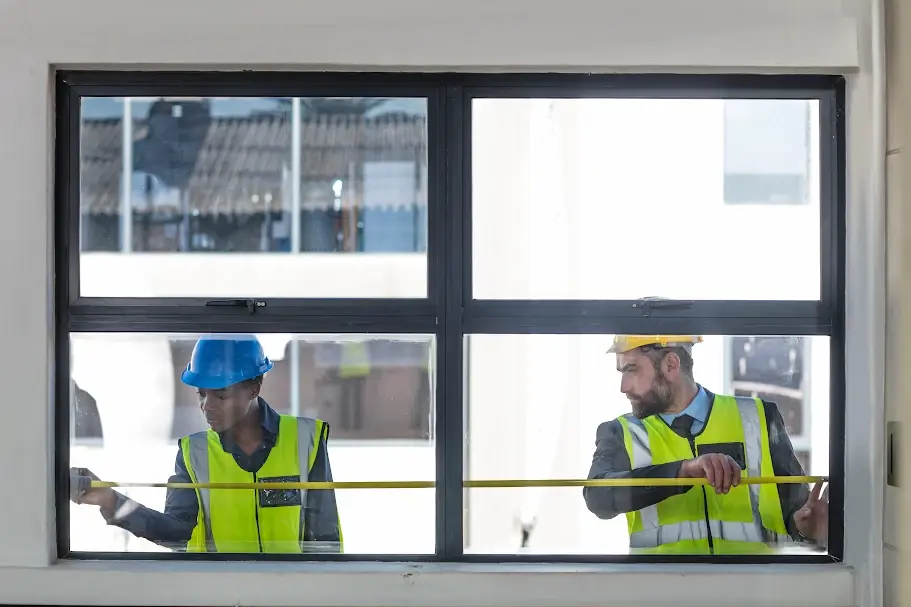
Step 1: Measure Your Window Openings
- Use a tape measure to get the precise height, width, and depth of the window frame.
- Double-check measurements to avoid ordering incorrect sizes.
Pro Tip: For accuracy, measure each side of the opening and use the smallest dimension for your order.
Step 2: Choose and Order Your Windows
- Select your desired style, design, and color.
- Work with a licensed window contractor to ensure proper sizing and delivery.
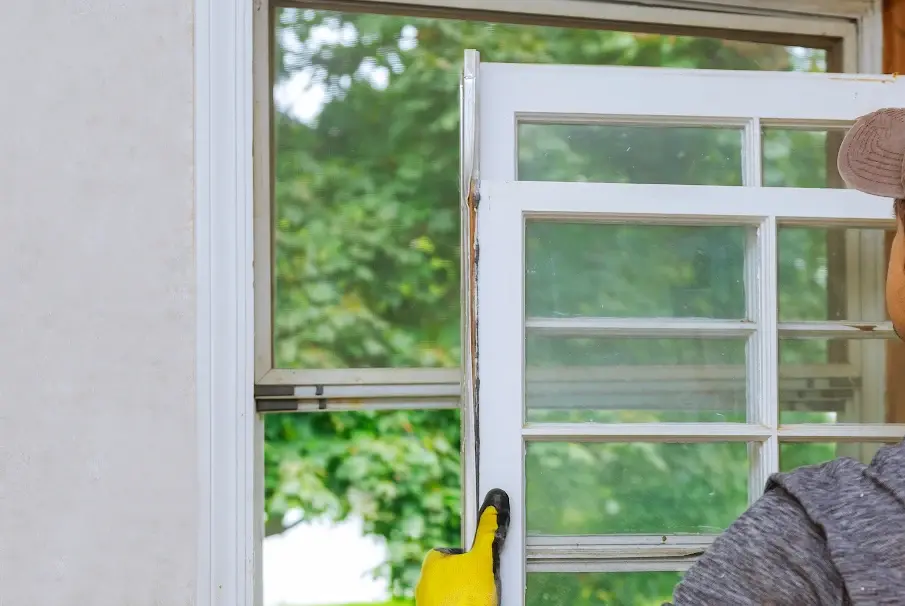
Step 3: Remove the Old Window
- Carefully remove old window sashes and frames to prevent damage to surrounding walls. This step is especially important if you plan a glass replacement as part of your window upgrade.
- Inspect the rough opening for moisture damage, rot, or structural issues before installing the new window.
Safety Tip: Wear gloves and safety glasses, and consider hiring professionals for upper-story windows.
Step 4: Repair and Prepare the Rough Opening
- Repair any cracks, water damage, or rot to create a stable base.
- Ensure the opening is level and square before installation.
Step 5: Install the New Vinyl Window
- Slide the window carefully into the prepared frame.
- Check that the window fits snugly and the frame is plumb and level.
Step 6: Secure the Window
- Use shims, screws, and fasteners designed for vinyl windows.
- Confirm the window remains level and square as you secure it.
Safety Tip: Always follow manufacturer guidelines for fastener placement and torque.
Step 7: Install Trim
- Measure and cut trim pieces at 45-degree angles for a clean fit.
- Secure trim with finish nails into studs, inside and outside the window.
Step 8: Seal and Insulate
- Apply caulk around the perimeter to prevent drafts and moisture infiltration.
- Use blow-in insulation to fill gaps between the frame and rough opening.
Safety Tip: Wear gloves and a mask when working with insulation materials.
Benefits of Vinyl Windows
Homeowners love vinyl windows for several reasons:
- Affordability: Budget-friendly compared to wood or aluminum.
- Low Maintenance: Resistant to warping, cracking, and peeling.
- Custom Colors: Available in a wide range of colors to match any home aesthetic.
- Energy Efficiency: Reduce heat transfer and lower energy bills.
- Variety of Styles: Casement, bay, bow, double-hung, and sliding options available.
- Durability: Can last 20–40 years, depending on quality and maintenance.
Choosing the Right Vinyl Window for Your Home
- Consider room function, size, and style.
- Check the Energy Star rating to maximize efficiency.
- Ensure proper installation to maintain the warranty and long-term performance.
Conclusion
A vinyl window replacement enhances your home’s comfort, energy efficiency, and curb appeal. While DIY enthusiasts can attempt some steps, professional installation from Lewis Windows & Doors ensures:
- Correct sizing and level installation
- Proper sealing and insulation
- Compliance with building codes and manufacturer guidelines
Professional installation minimizes damage, improves energy efficiency, and prolongs the lifespan of your windows.
FAQs
Q1: What is the lifespan of vinyl windows?
A: Vinyl windows typically last 20–40 years, depending on installation quality, climate, and maintenance.
Q2: How much does vinyl window installation cost?
A: Prices vary by size and style, generally between $300 and $1,000 per window, including installation.
Q3: How do I clean my vinyl windows?
A: Use mild dish soap and water. Vacuum window tracks to remove dust and debris.
Q4: Can I replace vinyl windows myself?
A: DIY is possible for experienced homeowners, but professional installation is recommended to ensure proper fit, sealing, and warranty compliance.
Q5: Are vinyl windows energy-efficient?
A: Yes. Vinyl windows reduce heat transfer, improve insulation, and can lower your energy bills significantly.